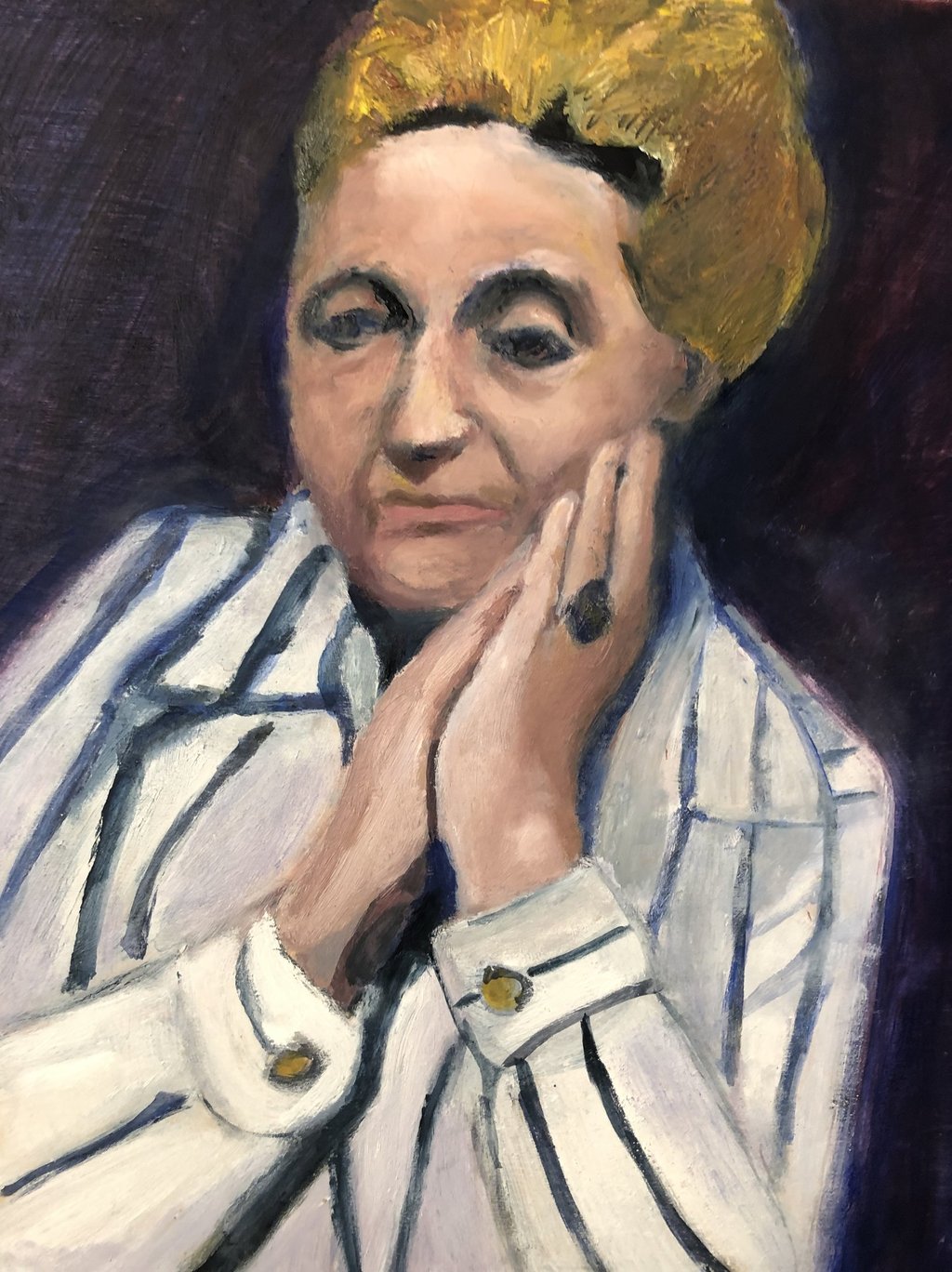
Alva Myrdal was a Swedish sociologist, diplomat, and politician. She was born on January 31, 1902, in Uppsala, Sweden, and died on February 1, 1986, in Stockholm.
Myrdal was a co-recipient of the 1982 Nobel Peace Prize, sharing the honor with Mexican diplomat Alfonso García Robles. She was recognized for her profound and persistent work over decades on behalf of disarmament and nuclear-weapon-free zones. During the height of the Cold War, she became a leading global voice for the necessity of non-proliferation and arms control.
She began her career in social reform, and alongside her husband, economist Gunnar Myrdal, she co-authored a groundbreaking book on Sweden's population crisis that laid the foundation for the nation's modern social welfare and family policies. This early work established her as an influential figure in Swedish social democracy and an advocate for women's roles in a modern industrial society.
Following World War II, Myrdal moved to international diplomacy, holding prominent roles in the United Nations system, including serving as Director of the UNESCO Department of Social Sciences and as Sweden’s first female Ambassador to India. In the 1960s, she transitioned to the primary focus of her Nobel-winning work, serving as the head of the Swedish delegation to the UN Disarmament Conference in Geneva and later as a Minister for Disarmament in the Swedish government. Representing a non-aligned nation, she used her deep research and diplomatic skill to critically challenge the United States and the Soviet Union, urging them to end the nuclear arms race. Her book, The Game of Disarmament, exposed the cynicism and lack of sincerity in the superpowers' negotiations, cementing her legacy as a fearless and highly knowledgeable advocate for global peace.
MLA: Alva Myrdal – Facts. NobelPrize.org. Nobel Prize Outreach 2025. Thu. 4 Dec 2025. <https://www.nobelprize.org/prizes/peace/1982/myrdal/facts/>
MLA: Alva Myrdal photo Alva Myrdal, Sweden Writer And Politician
SWEDEN - JANUARY 01: Alva Myrdal, Sweden Writer And Politician (Photo by Keystone-France/Gamma-Keystone via Getty Images)